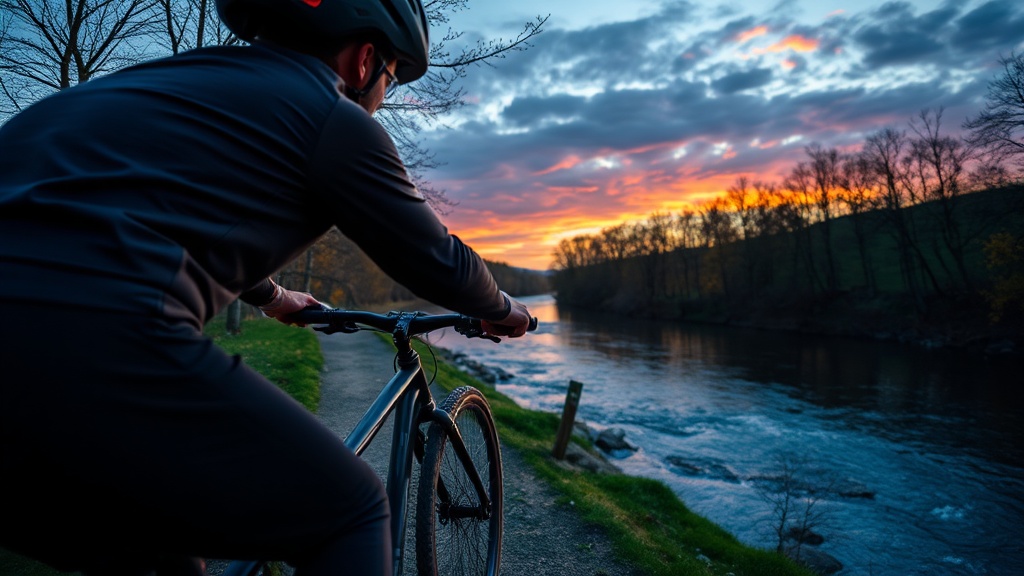
Preparing for a Scenic Bike Ride Along the Rivière des Mille Îles

Are you trying to figure out how to prep for a bike ride along the Rivière des Mille Îles without getting caught in a downpour or running out of energy halfway through? This guide breaks down everything you need to know about gear, route planning, and local logistics for cycling in the Saint-Eustache area. We'll look at the best gear, how to handle the local weather, and how to make the most of the scenic paths near the water.
What Gear Do You Need for Cycling Near the River?
You need a well-maintained bicycle, a reliable helmet, and moisture-wicking clothing to enjoy the trails comfortably. While you don't need professional racing equipment, skipping the basics can lead to a miserable afternoon.
First, check your tires. There's nothing worse than a flat tire halfway between Saint-Eustache and Oka. I always recommend a quick check of your tire pressure before heading out. If you're riding a road bike, you'll want higher pressure; if it's a mountain bike for the gravel sections, go a bit lower.
For clothing, the weather in the Laurentians and the surrounding areas can change in a heartbeat. Even if it's sunny when you leave your house, bring a lightweight windbreaker. I personally swear by the Patagonia Houdini—it's light, packs down small, and keeps the wind off your skin when the breeze comes off the water.
Here is a quick checklist of the essentials:
- Helmet: Never ride without one. It's non-negotiable.
- Water Bottle: A reusable CamelBak or a simple Nalgene bottle is plenty.
- Repair Kit: A small multi-tool and a spare tube can save your day.
- Sun Protection: High-SPF sunscreen and polarized sunglasses (to cut the glare off the river).
If you're looking for high-quality accessories or a new helmet, you might want to check out Decathlon for affordable, reliable options that work well for casual riders.
How Do I Plan My Route Along the Rivière des Mille Îles?
The best way to plan your route is to use a GPS-based app or a physical map to identify the paved paths versus the gravel trails. Most of the paths around the river are well-marked, but knowing exactly where you're going helps you manage your pace and energy.
You can follow the Véloroute de la Rivière-des-Millets or connect to the larger networks that lead toward the water. If you're a beginner, stick to the paved sections near the parks. If you're more experienced, the gravel stretches offer a bit more of a challenge.
One thing to keep in mind: the wind. Riding along the river often means dealing with a headwind. If the wind is blowing from the north, your ride back to Saint-Eustache might feel much harder than the ride out. Plan your loops accordingly so you aren't fighting the wind on your way home.
For more detailed topographical information or to see official trail maps, the Ministère des Forêts, de la Faune et des Parcs website often has resources regarding regional park access and trail-specific details.
Before you head out, you might want to grab some snacks. I often find that a quick stop for a treat makes the ride much more enjoyable. If you need some inspiration for a post-ride snack, you might enjoy finding the best local produce at the Saint-Eustache Public Market for fresh fruit or energy-boosting snacks.
What Is the Best Time of Year to Ride?
Late spring through early autumn offers the most predictable weather and the best scenery for cycling near the water. While summer is the most popular, the early morning hours in June or the late afternoons in September provide the best light and fewer crowds.
The seasons here in Quebec are quite distinct. In the summer, the heat can be intense, especially with the humidity from the river. I suggest riding before 10:00 AM or after 4:00 PM to avoid the peak heat.
| Season | Best Feature | Biggest Challenge |
|---|---|---|
| Spring | Wildflowers and fresh greenery | Muddy paths and unpredictable rain |
| Summer | Long daylight hours | High heat and humidity |
| Autumn | Stunning fall colors by the river | Cooler temperatures and shorter days |
If you're riding in the fall, the colors are truly spectacular. The trees along the river turn vibrant shades of orange and red—it's a sight you won't want to miss. Just make sure you have a light layer, like a North Face fleece, because the temperature drops fast once the sun goes down.
How Much Does a Bike Ride Cost?
A standard bike ride along the river is essentially free, costing you only the price of your fuel (food and water). However, if you are renting a bike or purchasing new gear, you should budget accordingly.
If you don't own a bike, many local shops in the North Shore area offer rentals. A daily rental for a hybrid or mountain bike usually ranges from $35 to $60. If you're looking to upgrade your gear, you'll find that prices vary wildly depending on whether you're buying entry-level equipment or high-end racing gear.
Don't forget to account for small expenses like a coffee or a snack during your ride. If you're looking for a place to rest and recharge, check out my list of cozy coffee spots for a slow weekend in Saint-Eustache. It's a great way to end a long ride.
A quick tip: if you're planning a larger group outing, it's worth checking the weather several days in advance. There's no point in paying for a rental if a storm is forecasted for that afternoon. Check the Environment Canada website for the most accurate local forecasts.
One thing to watch out for is the traffic on the roads that intersect with the bike paths. While the paths are generally separated, some sections can get a bit narrow. Stay alert and always yield to pedestrians. It's a shared space, after all.
Whether you're looking for a quick 30-minute spin or a full-day adventure, the river-side paths offer something for everyone. Just pack your essentials, check the wind, and enjoy the view.
Steps
- 1
Check your bike and equipment
- 2
Pack essentials and hydration
- 3
Choose your preferred route direction
- 4
Observe local wildlife etiquette