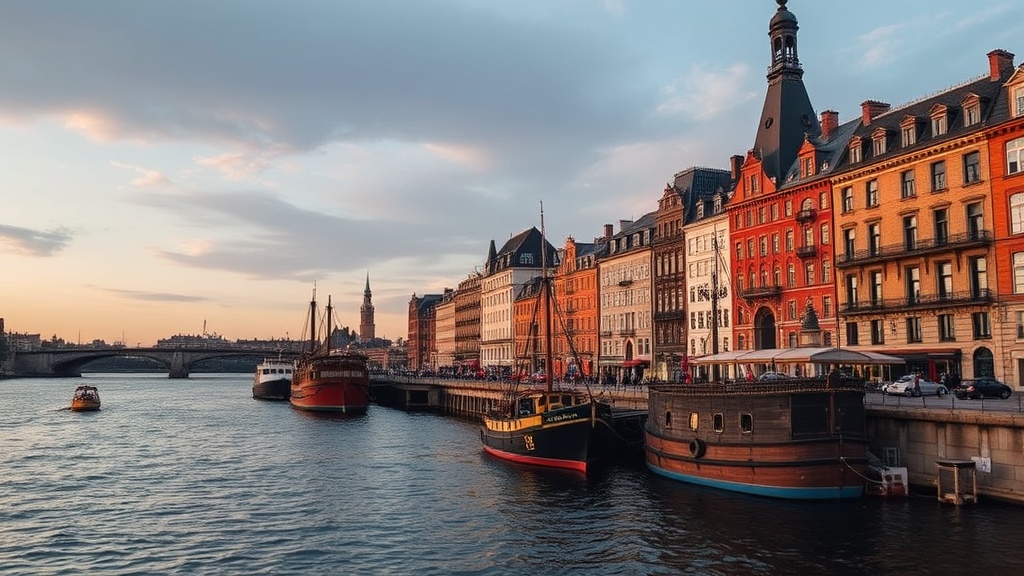
Explore Saint-Eustache's Historic Riverfront in One Afternoon

Quick Tip
Start your walk at the church before 4 PM to catch the best light for photos along the riverfront boardwalk.
Here's how to experience Saint-Eustache's most scenic stretch along the Mille-Îles River in a single afternoon. Whether you're a longtime resident or new to our community, this walkable route connects three centuries of local history without needing a car.
What's the best starting point for exploring the Saint-Eustache riverfront?
Begin at Parc historique de la Pointe-du-Moulin — the 18th-century windmill anchors the eastern end of the trail. Parking is free, and the site's stone foundations date back to 1725. From here, the riverside path runs west for nearly three kilometers.
The mill itself (now a museum) offers context on how our ancestors harnessed the river — worth the small admission fee. You'll spot interpretive plaques every hundred meters or so; most describe the logging era when Saint-Eustache supplied timber to Montreal's expanding port.
Which landmarks should you prioritize along the walk?
Three stops matter most: the old Moulin Légaré (still grinding grain), the Église de Saint-Eustache (visible from across the water), and the Promenade du Vieux-Saint-Eustache boardwalk.
| Stop | Time Needed | What to Look For |
|---|---|---|
| Moulin Légaré | 20 minutes | Original millstones, working machinery |
| Église viewpoint | 10 minutes | Reflection shots, architectural details |
| Promenade boardwalk | 30 minutes | Interpretive panels, river access |
The boardwalk section — rebuilt after the 2017 floods — features benches facing the water. Locals bring coffee, watch kayakers, and argue about whether the current is faster than it was twenty years ago.
Where can you grab supplies or rest along the route?
Chemin de la Grande-Côte intersects the path near the halfway mark. Several dépanneurs and a café (nothing fancy — that's the point) offer water and snacks. The catch? Most close by 5 PM on weekends, so plan accordingly.
Public restrooms are available at Parc historique and again near the municipal library on rue Saint-Louis. The path itself is paved and wheelchair-accessible until the boardwalk section, where wooden planks create uneven patches.
Worth noting: the Rivières de Gloire organization maintains signage marking historical flood levels. Those markers — some above head height — tell you exactly why Saint-Eustache invests in river management.
End your afternoon at Parc Larocque where families gather. The splash pad operates seasonally; the picnic tables operate year-round. Bring a sandwich, watch the current, and remember that this river built the town you're standing in.
For detailed trail maps and seasonal hours at the windmill, check the Moulin Légaré official site.